

Why Kirsten Dunst Slammed the Pom‑Poms on Bring It On: Pride, Legacy, and Choosing What’s Enough
At the premiere of Roofman, Kirsten Dunst didn’t just decline a Bring It On reboot—she made it clear some things are better left untouched. What lies behind that refusal is a story about image, aging, nostalgia… and the cost of chasing applause.
 Joseph BennettSeptember 11, 20252 Mins read12
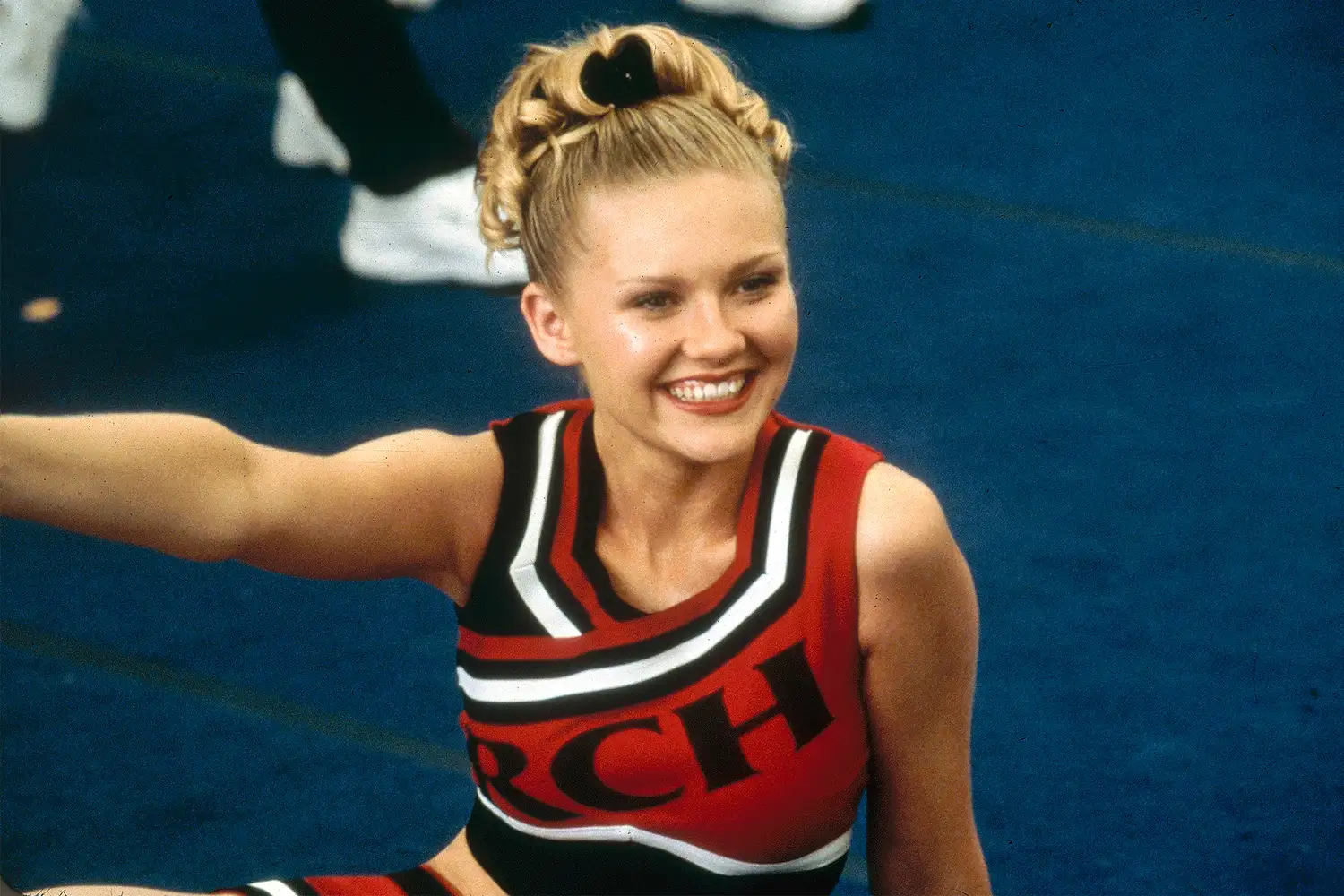
She stood under the flashbulbs at Roofman’s premiere, sunlight fading, fans whispering, and when asked: would she return to Torrance Shipman, to the pompoms and rivalry and cheerleading universe? Kirsten Dunst didn’t hesitate. “No. Leave good things where they are,” she declared—as if protecting something fragile, or perhaps something sacred. “I don’t need to put on a cheerleading outfit.”
It’s tempting to imagine she’s reacting only to costumes, to nostalgia’s burden. But there’s more: humility. Pride. The freedom to walk away. In doing so, she’s nudged a deeper question: when someone builds something beloved, must they always return, or is their legacy perfected by absence?
For many years, Dunst flirted with openness: in 2024 she said she’d consider a reboot—or a sequel—“as long as it’s not embarrassing.” She spoke of throwbacks, of scripts needing to honor something. But now, with certainty, she refuses. Even the idea of producing it doesn’t tempt her. “I don’t know what I would do, be a coach or something? Let’s leave it as is.”
The Cost of Returning to What Once Was
To decline isn’t always to reject—it’s to choose. Dunst’s refusal carries weight because it breaks the usual Hollywood pattern: remakes, reboots, legacy arcs, all hungry to squeeze more out of old stars, old stories. Fans want the familiar. Studios want the safe. But Dunst seems unwilling to be reduced to a relic of her own past.
She’s at a transitional stage—“Roofman” is not Bring It On; she is not high school. She’s grown, changed. The world she performs in has changed. And so has she. Perhaps, wearing the cheerleader uniform again would not just feel backwards—it might feel performative, arrogant, or worse, desperate.
What Her “No” Really Says
Saying “no” to returning doesn’t erase her place in Bring It On lore—it crystallizes it. By refusing revival, she lets that original moment remain clean, untainted by poorly scripted nostalgia. It places responsibility: what could a sequel bring that enriches rather than cheapens?
It also highlights what choices celebrities don’t always get: to guard their work, to refuse exploitation of their early fame. Dunst seems to understand that heritage is not always an asset if dragged into middling reboots.
Her “no” becomes a statement about power: owning your narrative, your past, your image. That what you were doesn’t demand that you always be that. That some triumphs are better celebrated by letting them live in memory, not in repetition.
She once said being asked about Bring It On made her feel “a little embarrassed” at worst, longing for respect as an actor, not just a cheerleader movie star. But perhaps embarrassment is the price of staying real; of refusing the easy applause.
So, years later, she stands under lights again, not in sequins or pom‑pons, but as someone who knows the stakes. Fans may wish, studios may push, nostalgia may beckon. But maybe some things are better exactly as they were.
Will those who love Bring It On accept Dunst’s boundary? Or will the pressure to revisit what’s past force her hand—or dim the memory by trying anyway? The question hangs, like the final cheer you hear echoing after the crowd goes quiet, not quite answered—yet still echoing.




When Are the Oscars 2026? Date of the Academy Awards – Hollywood Life
Image Credit: AFP via Getty Images The Oscars are officially on the...
 Kirsten Collins1 Mins read
Where Is Lawrence Jones on ‘Fox & Friends’? Health Update Amid Hiatus – Hollywood Life
Image Credit: Getty Images Fans of Lawrence Jones, a Fox & Friends...
Kirsten Collins1 Mins read

Who Is Lexi Minetree? 5 Things to Know About the ‘Elle’ Series Actress – Hollywood Life
View gallery Image Credit: Getty Images for Hello Sunshine Lexi Minetree plays...
Kirsten Collins2 Mins read
Release Date, Cast & Updates on ‘Elle’ – Hollywood Life
View gallery Image Credit: Courtesy of Prime Video What, like producing a...
Kirsten Collins2 Mins read




Leave a comment