

Billie Eilish vs. The Vinyl Machine: A Green Crusade with Sharp Edges
Billie Eilish has launched a bold critique of the music industry’s obsession with vinyl variants, calling out the “wasteful” push for profit. Now the question is: can her eco-alarm rip through an empire built on collectibles?
 Chris MarksJuly 15, 20251 Mins read24
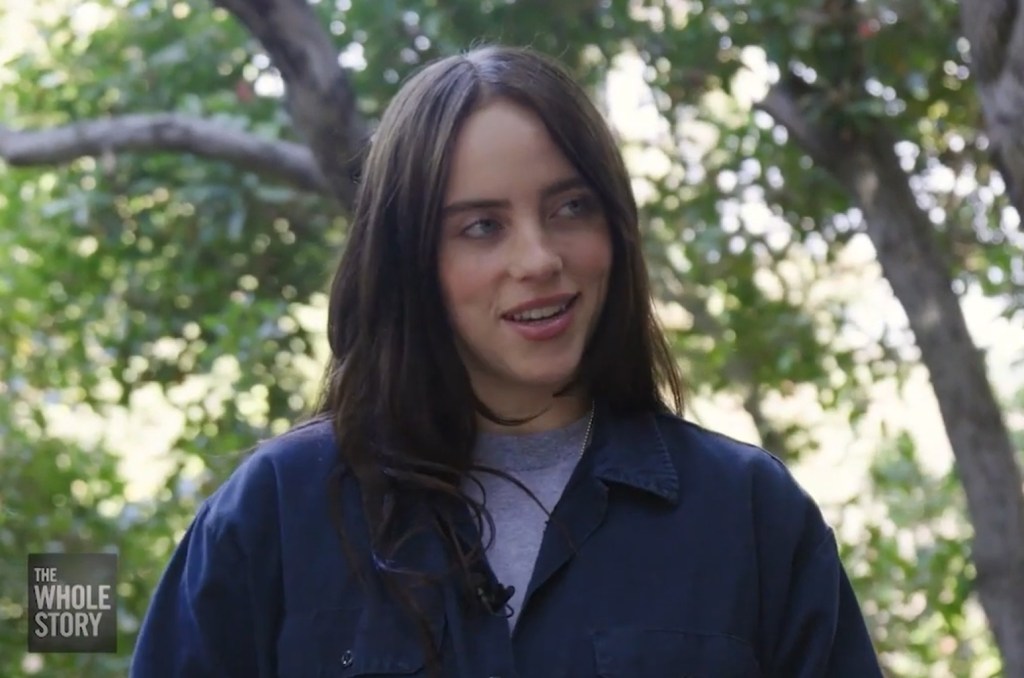
Billie Eilish cut through the glossy hype of vinyl culture with a piercing truth: releasing dozens of record variants isn’t a collector’s dream—it’s an environmental nightmare. She didn’t just whisper; she thundered. “It’s so wasteful, and it’s irritating to me,” she confessed, her words echoing across indie record stores and boardrooms alike.
What happens when one of pop’s most influential voices refuses to play by the vinyl rules she once embraced? That’s the glitch in the system she’s spotlighting—and it hums louder than any press of limited-edition color.
The Price of a Collector’s Fantasy
With eight vinyl editions of Happier Than Ever, Eilish led by example: recycled black vinyl, sugarcane packaging, and reclaimed scraps for bonus colors. Yet her spotlight turned to the broader practices of mega-stars producing “f—king 40 different vinyl packages”—tactics she condemned as dystopian profiteering. As she put it, “we’re all going to do it because… it’s the only way to play the game.”
This strike at the industry’s core isn’t just environmental—it’s cultural. When Billboard charts reward multiplicity over artistry, the system encourages excess. Eilish’s irritation is also a challenge: can the rules be rewritten without breaking the game?
Ethics vs. Economics in the Digital Age
Her stance invites us to weigh experience against exploitation. Vinyl isn’t disposable, champions argue—it’s collectible, enduring. Sean Ono Lennon defended the format as a treasure beyond mere streaming. Yet Eilish sees a darker undercurrent: mass production of variants, serial promotion strategies, and fan manipulation.
One fan summed it up on Reddit:
“It’s the keystone… streaming pays artists less than pennies… [but] we as consumers can buy less.”
Here’s the real tension: sustainability won’t thrive unless fans rethink consumption, labels retweak incentives, and Billboard recalibrates success metrics.
Billie’s critique is sharp—her observations sharper: how many albums must exist before they lose meaning? When the needle drops, will collectors hear music or machinery?
She’s holding up the mirror—darker reflections included. And now, we wonder, will the vinyl machine adjust to her glare—or will it grind on, polished yet polluted, ignoring the rising dissonance?








Laufey’s Opening Night Show at LA’s Crypto.com Arena: Best Moments
Laufey opened a two-night stand at Crypto.com Arena in downtown Los Angeles...
Chris Marks6 Mins read
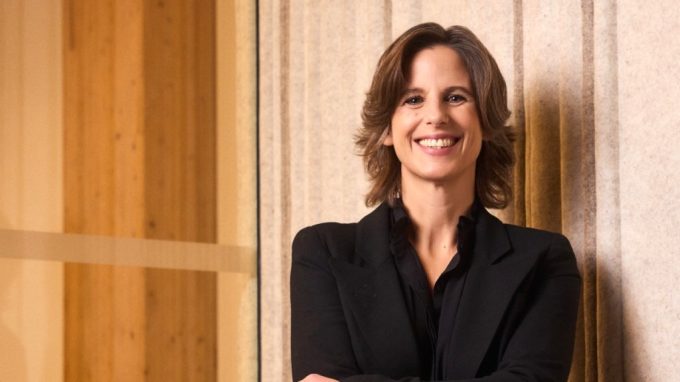
Julie Adam Is Billboard Canada Women in Music’s 2025 Exec of the Year
Julie Adam is having a milestone year — and it’s getting even...
Chris Marks4 Mins read
Spinal Tap Tribute Album with Foo Fighters,Tool for Teen Cancer America
Spinal Tap may be a fake band, but its music is very...
Chris Marks2 Mins read
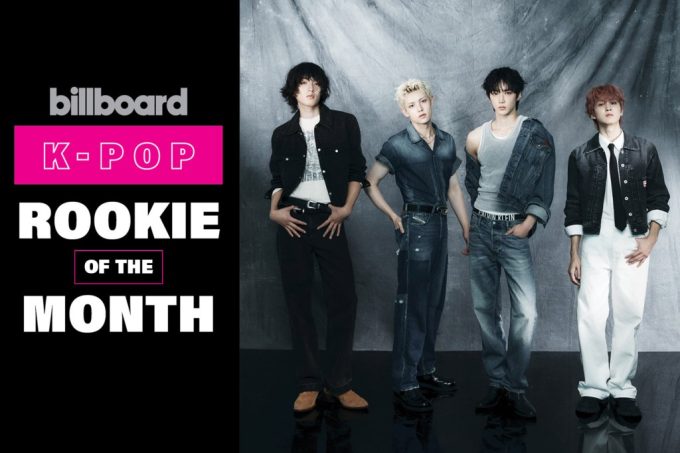
AxMxP Is K-Pop Rookie of the Month for September: Exclusive Photos
Ha Yoo Joon Image Credit: Chin Soyeon You debuted on Sept. 10....
Chris Marks2 Mins read




Leave a comment