

Reigniting the Machine: Linkin Park’s Return to Australia and the Echoes of a Legacy
After nearly a decade of silence, Linkin Park is plotting a seismic return to Australian stages in 2026—yet the question lingers: can a band so entwined with grief and reinvention recapture the spirit that once defined a generation?
 Kirsten CollinsAugust 11, 20252 Mins read25
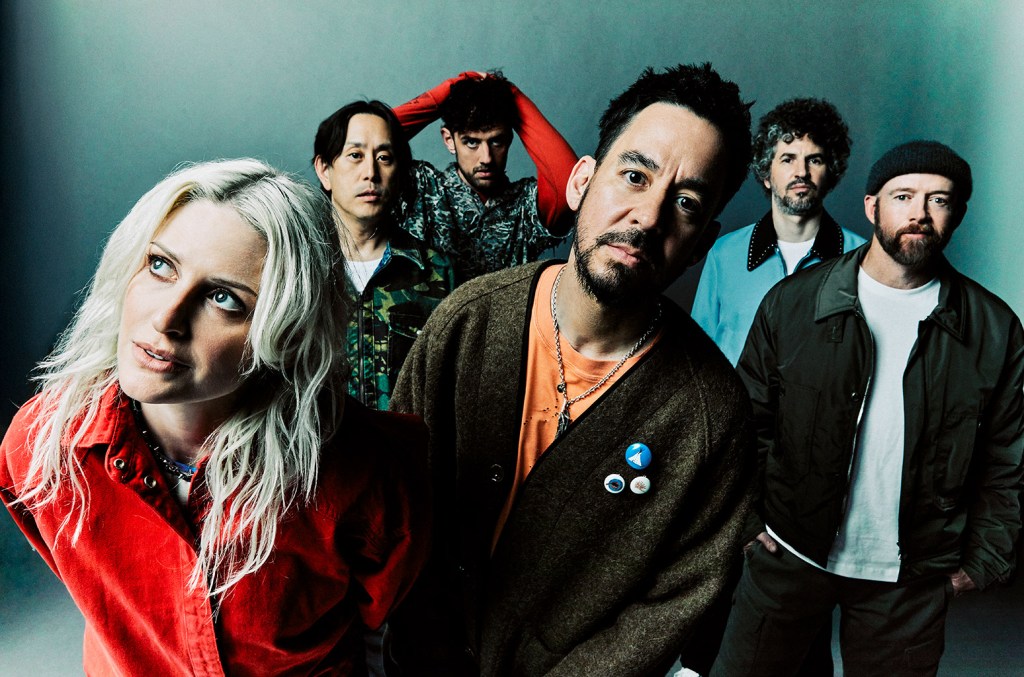
The roar of an empty stadium is louder than any anthem—especially when the band behind it has been silenced by tragedy. When Linkin Park vanished from stages after 2017, the world didn’t just lose a band; it lost a raw voice grappling openly with pain, identity, and the fractures of modern existence. Now, whispers are turning to headlines: the band will return to Australia in 2026. But what does it mean to resurrect a machine that once fed off both fury and vulnerability, when one of its vital parts can never come back?
This isn’t just a tour announcement. It’s a cultural event threaded with contradictions. Linkin Park’s music was born in a moment of youth angst and digital upheaval, blending hip-hop with nu-metal in a way that felt both rebellious and deeply human. Their legacy is inseparable from Chester Bennington’s haunting voice—his presence an emotional anchor that made the music ache with authenticity. His death carved a silence louder than any guitar riff.
Ghosts in the Amplifiers
The announcement of Linkin Park’s Australian dates raises the question: who or what is the band without Chester? Mike Shinoda’s recent solo work reveals a man still wrestling with loss and reinvention, and the band’s cryptic social media posts suggest something is brewing, but the shape remains elusive. This is more than a nostalgia tour; it’s an experiment in memory and survival, a confrontation with the ghosts in the amplifiers.
Fans and critics alike ask: can Linkin Park maintain their edge, or will the band’s return feel like a carefully curated museum exhibit of a bygone era? There’s a risk here—a tightrope walk between honoring the past and crafting something new. After all, isn’t the very essence of their sound about catharsis and evolution? To go back without moving forward would be a betrayal of their core ethos.
Resonance Beyond the Stage
Their planned tour speaks to a larger cultural impulse—how do we reckon with loss and legacy in an age of instant memory and perpetual reinvention? Australian crowds, who once sang along to every word of “In the End” and “Numb,” will soon face a version of Linkin Park shaped as much by absence as presence. The question hovers: will the music heal, unsettle, or both?
In an era where bands are more brands, Linkin Park’s return could redefine what it means to come back—less a triumphant revival, more a quiet reckoning. As Mike Shinoda has said in recent interviews, “The music never really stopped; it just changed shape.” Maybe that’s the real story: a band refusing to be boxed in by the past, even if that past still whispers louder than ever.
For those waiting, 2026 is more than a date. It’s a question: can the ghosts of yesterday carry the weight of tomorrow’s promise? And if they do, what will that sound like?






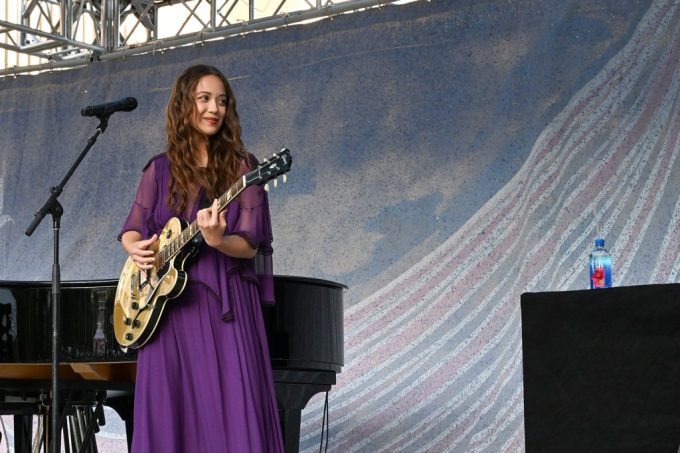
Laufey’s Opening Night Show at LA’s Crypto.com Arena: Best Moments
Laufey opened a two-night stand at Crypto.com Arena in downtown Los Angeles...
 Chris Marks6 Mins read
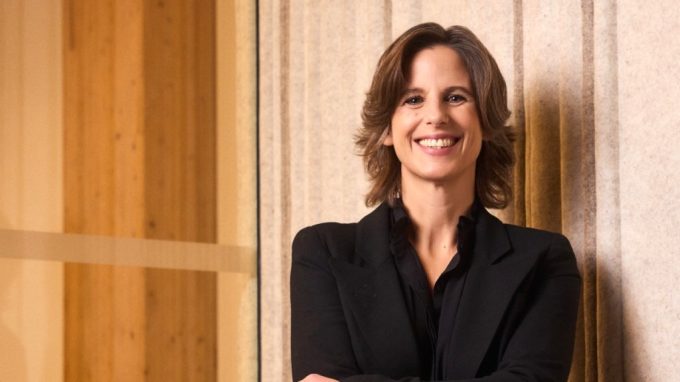
Julie Adam Is Billboard Canada Women in Music’s 2025 Exec of the Year
Julie Adam is having a milestone year — and it’s getting even...
Chris Marks4 Mins read

Spinal Tap Tribute Album with Foo Fighters,Tool for Teen Cancer America
Spinal Tap may be a fake band, but its music is very...
Chris Marks2 Mins read
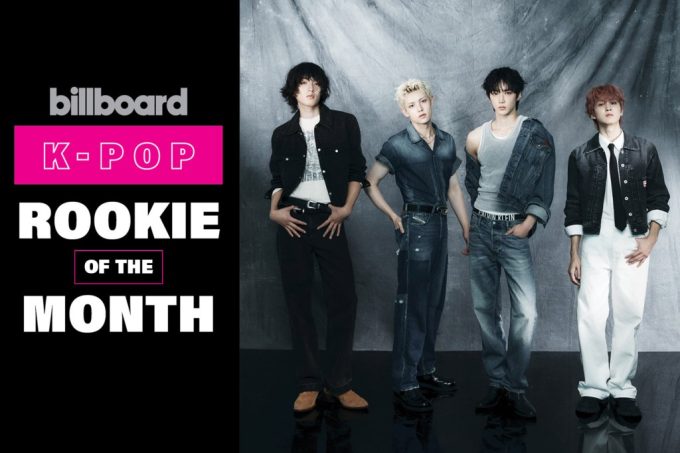
AxMxP Is K-Pop Rookie of the Month for September: Exclusive Photos
Ha Yoo Joon Image Credit: Chin Soyeon You debuted on Sept. 10....
Chris Marks2 Mins read





Leave a comment