

The Cult of Tomorrow
At the MLB trade deadline, fans aren’t cheering for stars—they’re salivating over prospects. When did the promise of “someday” become more thrilling than the joy of now?
 Joseph BennettJuly 29, 20252 Mins read23
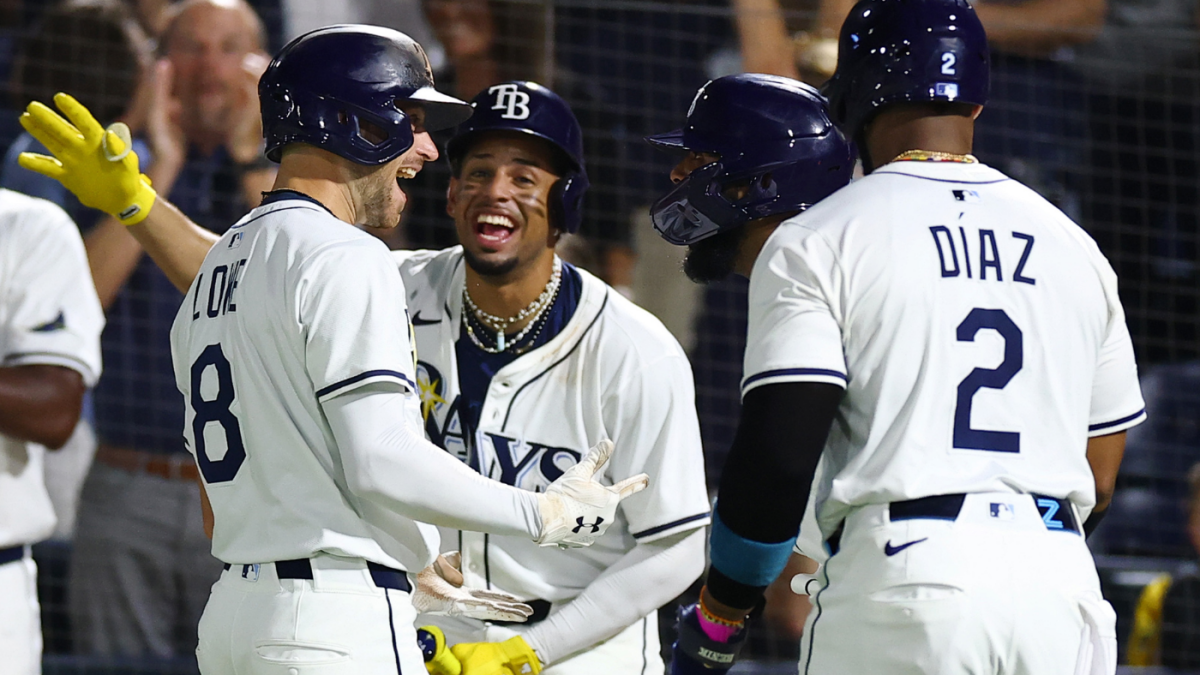
The stadium lights were still hot, the innings still ticking, but the real game had already moved somewhere else—into spreadsheets, phone lines, and the insatiable scroll of social media. The score on the field no longer mattered. What mattered was who might be gone by tomorrow, and who might—just might—arrive someday.
Baseball has always been a sport obsessed with statistics, but now it’s a sport obsessed with speculation. At this year’s trade deadline, the fans weren’t pleading to keep the clutch hitter or the reliable closer—they were hoping for a 19-year-old shortstop in A-ball with “upside.” The present has become expendable. The future? Sacred.
We’ve Stopped Cheering for the Now
There was a time when flags flew forever. When a wildcard berth or a mid-season spark was enough to make an entire city believe. But now, front offices preach “control” over “clutch,” and the fans nod along, calculating WAR and contract years like investment bankers in jerseys.
Part of this is economics—teams have learned to sell patience as progress. But part of it is something deeper, something almost poetic: the myth of what might be. “Fans want hope,” said one longtime scout over lunch in Scottsdale. “They want the idea of winning, not the messy, inconsistent reality of it.”
And so we watch, transfixed, as teams ship off players we love for players we might love someday, maybe, if they pan out. There’s a strange comfort in uncertainty—it hasn’t disappointed us yet.
The Allure of the Unproven
Prospects have become baseball’s fashion icons: raw, risky, and endlessly analyzed. A kid in the minors is no longer a gamble—he’s a brand. We give them nicknames before they debut. We debate their ceiling like we’re appraising art. And when they flame out? We simply turn to the next one, unscarred.
Meanwhile, the veterans—the ones actually performing under pressure—are dismissed as short-term rentals. There’s something almost cruel about it. A man can deliver night after night and still be traded for someone who’s never seen a big-league pitch. It’s not disloyalty—it’s detachment, wrapped in the language of “strategy.”
But maybe that’s the era we live in now: one where experience is suspect and projection is gospel. Where the scoreboard is a sideshow and the spreadsheet is king.
—
Somewhere, there’s a kid taking swings in a half-lit cage, unaware that a thousand strangers already believe he’s the future. He hasn’t missed a pitch yet. He hasn’t struck out. He hasn’t aged. That’s the thing about the future—it’s perfect, until it isn’t.







Barcelona’s Fragile Pursuit: When Injuries Threaten More Than Just a Season
A silence spreads over Camp Nou that no roar can drown out—two...
 Chris Marks2 Mins read
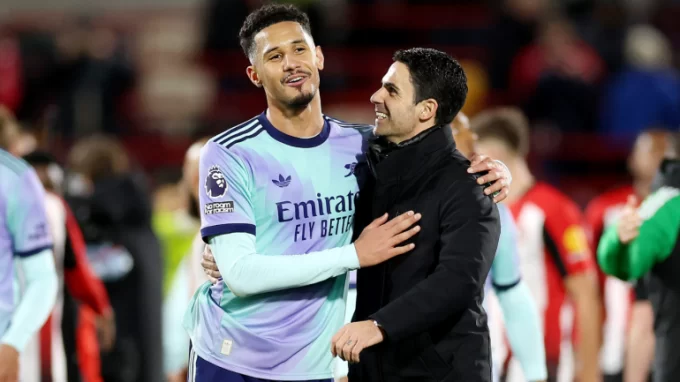
William Saliba: Arsenal’s Silent Architect or Its Greatest Gamble?
The air inside the Emirates shifts with unspoken tension—William Saliba, once a...
Joseph Bennett2 Mins read
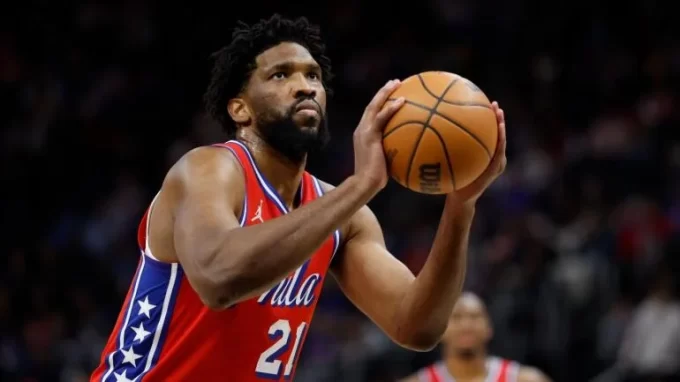
Joel Embiid’s Quiet Confidence: Is the 76ers’ Giant Ready to Rewrite His Story?
Joel Embiid is rarely one to make noise without purpose, and now,...
 Kirsten Collins1 Mins read
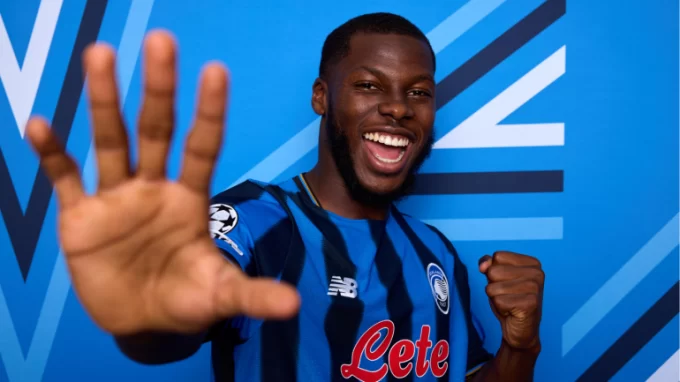
Juventus, Atalanta, and Arsenal’s Quiet Revolution: What’s Really Shaping This Week in Football?
The roar of Serie A stadiums masks a subtle shift, one that...
Kirsten Collins2 Mins read





Leave a comment